
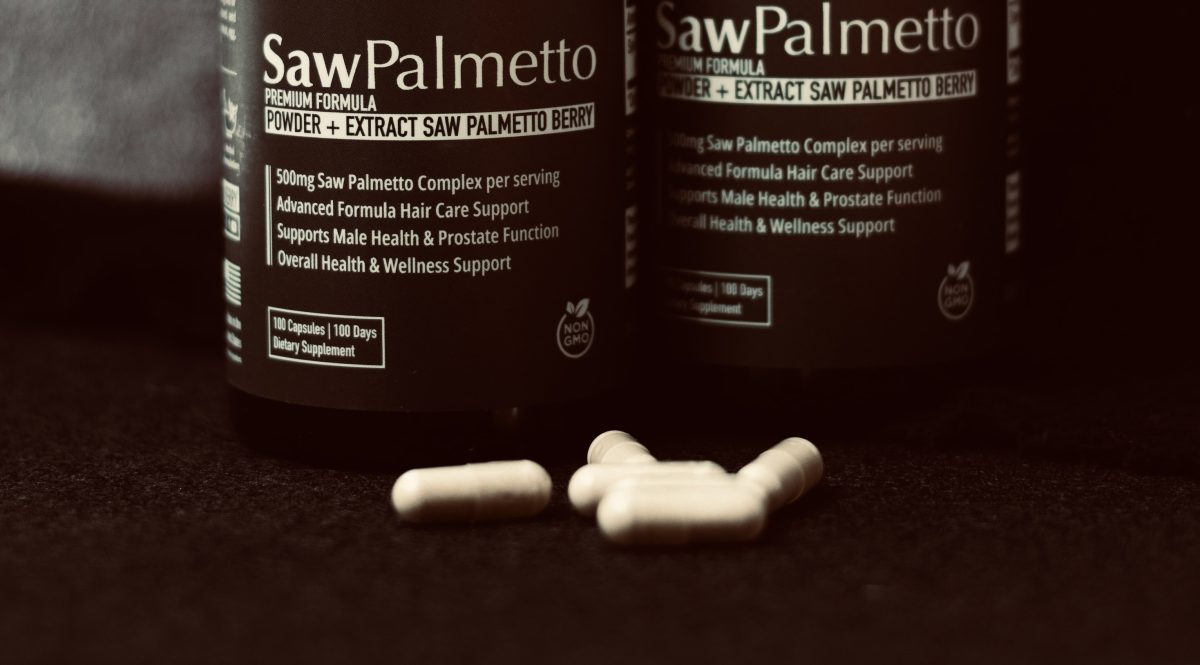
Serenoa repens, commonly known as saw palmetto, is a plant-derived supplement frequently marketed for androgenetic alopecia (pattern hair loss). It is often promoted as a “natural” alternative to prescription treatments because of its ability to reduce the activity of 5-alpha-reductase, the enzyme involved in the conversion of testosterone to dihydrotestosterone (DHT).
While saw palmetto is widely available without prescription and may be suitable for some individuals, emerging clinical evidence suggests it is not entirely risk-free, particularly when used long term or in combination with other anti-androgen treatments.
How Does Serenoa Repens Work in Hair Loss?
In androgenetic alopecia, hair follicles are sensitive to DHT, which contributes to progressive thinning and miniaturisation of hair. Serenoa repens has been shown to:
-
Inhibit 5-alpha-reductase activity
-
Reduce DHT signalling at the follicle level
For this reason, it is commonly included in:
-
Oral supplements for hair loss
-
Topical hair-loss formulations
-
Over-the-counter hair-support products
Emerging Safety Concerns
Recent clinical reports have described a group of patients who developed persistent side effects following the use of Serenoa repens. These symptoms resemble those reported in post-finasteride syndrome, a condition associated with long-lasting sexual, neurological, and psychological symptoms after exposure to androgen-modulating medications.
In a series of Italian case reports, published in the British Journal of Clinical Pharmacology 2026, individuals who had used Serenoa repens for hair loss or prostate symptoms underwent formal medical and psychiatric evaluation at a specialist centre. Adverse effects were documented using national pharmacovigilance systems and assessed using established causality tools.
Reported Side Effects
Reported daily doses ranged widely, from 120 mg to 900 mg. In over half of cases, symptoms began within the first month of use.
Reported effects included:
-
Reduced libido or sexual dysfunction
-
Mood changes, anxiety, or depressive symptoms
-
Cognitive or neurological complaints
-
General physical symptoms such as fatigue
In some individuals, symptoms persisted for several years after stopping the supplement, with full recovery reported only in a small number of cases.
Higher Risk With Combined Treatments
Patients who used Serenoa repens alongside prescription anti-androgens, such as finasteride or dutasteride, appeared to experience:
-
More severe symptoms
-
Greater persistence of side effects
This highlights the importance of avoiding unsupervised combination therapy.
Why These Effects May Be Under-Recognised
Saw palmetto is often perceived as completely safe because it is:
-
Plant-derived
-
Widely available without prescription
-
Marketed as “natural”
As a result, patients may not associate new symptoms with the supplement or may not report them to healthcare professionals.
Our Clinical Perspective
At our hair loss clinic, we believe that any treatment that alters hormonal pathways should be approached thoughtfully, whether prescription-based or herbal.
We advise that:
-
Serenoa repens should be used under medical guidance, particularly for long-term hair-loss management
-
Patients should be fully informed of potential benefits and risks
-
Treatment plans should be individualised, taking into account medical history, symptoms, and treatment goals
If side effects occur, they should be discussed promptly rather than stopping or changing treatment independently.
Key Takeaway for Hair Loss Patients
Serenoa repens is biologically active, not inert. While some patients tolerate it well, emerging evidence suggests that a small subset may experience significant and persistent side effects. Awareness and appropriate medical supervision are essential to ensure safe and effective hair-loss treatment.